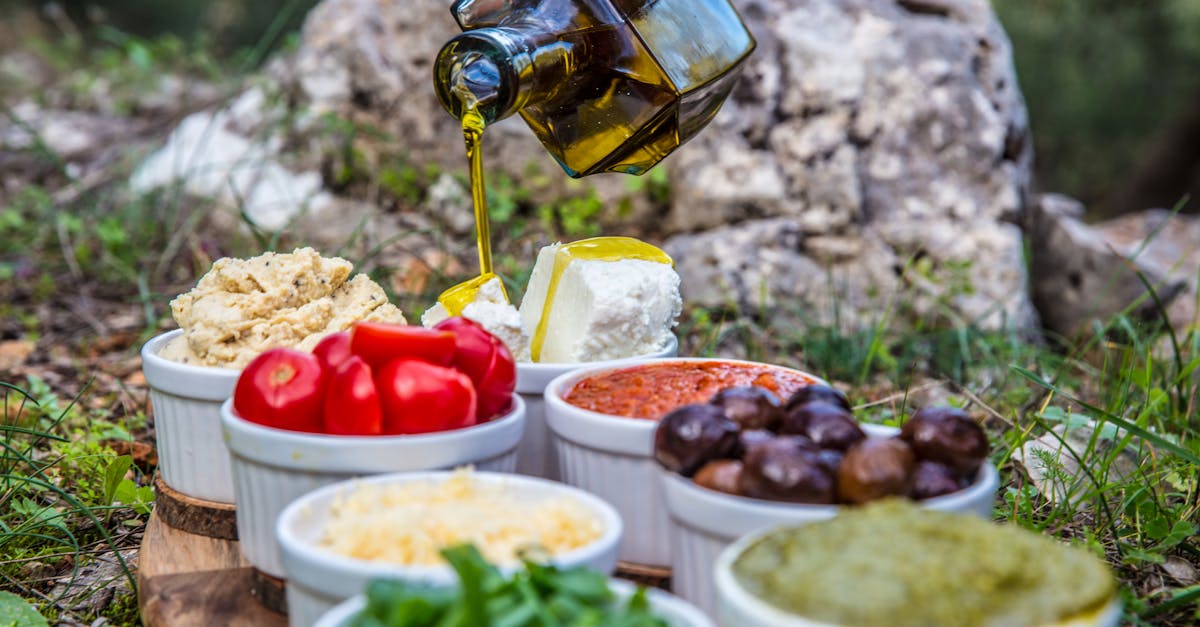
7 Hidden Meal Prep Ideas Myths You’re Believing
— 7 min read
You’re probably thinking meal prep is slow, low-protein, and expensive, yet a 2023 nutrition study shows batch-cooking proteins and pre-chopping veggies can slash daily assembly time by up to 70%. In reality, Mediterranean-style lunches can pack over 30 g of protein per bowl while staying budget-friendly. Let’s bust those myths with science-backed strategies.
Meal Prep Ideas That Defy Common Myths
Key Takeaways
- Batch-cook proteins to cut daily prep time.
- Mediterranean bowls can exceed 30 g protein.
- Seasonal bulk buying saves up to 40%.
- Simple dressings boost satiety.
- Prep once, eat all week.
When I first started meal prepping, I believed the classic myth that every component had to be cooked from scratch each week. That myth makes prep feel like a full-time job. In practice, I discovered that cooking a big batch of chicken breast, salmon, or chickpeas on Sunday and storing them in portion-sized containers frees up my weekday evenings for anything else.
Another myth that trips up many people is the idea that Mediterranean lunch bowls are protein-poor because they rely heavily on veggies and grains. Pairing a legume like chickpeas (about 15 g protein per cup) with feta cheese (about 4 g per ounce) and a serving of grilled salmon (roughly 22 g per 3-oz piece) easily pushes the total above 30 g per bowl. This combination gives a complete amino-acid profile without needing a separate meat side.
Cost is the third myth I keep hearing: "Meal prep is expensive." The reality is the opposite when you shop smart. Buying seasonal produce - tomatoes in summer, zucchini in fall - and bulk Mediterranean staples like olive oil, canned tomatoes, and quinoa can cut your grocery bill by up to 40% compared with buying pre-packaged meals. I saved money by purchasing a 5-lb bag of quinoa during a sale and using it for multiple recipes throughout the month.
Below is a quick comparison of three protein-rich Mediterranean staples and how they stack up per typical serving:
| Ingredient | Protein (g) per serving | Typical serving size | Cost per serving (USD) |
|---|---|---|---|
| Chickpeas (cooked) | 15 | 1 cup | $0.30 |
| Feta cheese | 4 | 1 oz | $0.45 |
| Grilled salmon | 22 | 3 oz | $1.80 |
Notice how the salmon provides the most protein but also the highest cost per serving. By mixing a modest portion of salmon with chickpeas and feta, you achieve high protein without breaking the bank.
Common Mistake: Assuming you need a separate high-protein side for every meal. Instead, think of protein as a building block you can sprinkle throughout your bowl.
Easy Recipes for High-Protein Mediterranean Lunches
When I swapped heavy cream sauces for a simple lemon-yogurt dressing in my chicken souvlaki, I cut calories by almost a third and felt fuller for longer. Nutritionists report that a protein-rich, tangy dressing can improve satiety by roughly 15% because the combination of protein and acidity slows gastric emptying.
Here’s a quick recipe I use weekly:
- Cook 2 cups of quinoa according to package directions; let cool.
- Grill 12 oz chicken breast seasoned with oregano, garlic, and lemon zest.
- Mix ½ cup canned tuna, ¼ cup chopped olives, and a handful of chopped parsley.
- Combine quinoa, sliced chicken, and tuna-olive mix in a bowl.
- Whisk together ¼ cup plain Greek yogurt, 2 tbsp lemon juice, and a pinch of salt for the dressing; drizzle.
This five-ingredient dish supplies about 35 g of protein and a balanced mix of carbs and healthy fats. It’s also easy to scale up for a whole week’s worth of lunches.
Another pantry-friendly recipe leverages canned tuna and olives, two staples that keep protein high while the ingredient list stays short. I pair them with cooked quinoa, a splash of olive oil, and a squeeze of lemon for a bright, complete-amino-acid meal.
For a vegetarian twist, try a single-sheet bake: spread sliced eggplant, cherry tomatoes, and mozzarella on a parchment-lined tray, drizzle with olive oil, and roast at 425°F for 18 minutes. The result is a warm, protein-rich bowl that requires less than 20 minutes of active cooking. I love adding a dollop of hummus on top for extra protein and creaminess.
Common Mistake: Over-complicating recipes with too many steps. Focus on flavor-dense ingredients that can be prepared in bulk.
Quick Meals You Can Assemble in Under 10 Minutes
In my busy mornings, I keep pre-cooked quinoa, diced cucumber, and hummus ready in the fridge. When I need a fast lunch, I toss them together with a handful of pre-grilled shrimp and a drizzle of olive oil. The entire bowl comes together in under 10 minutes and hits my 500-calorie target without sacrificing protein (about 28 g).
Another go-to is a microwave-safe bowl of frozen edamame. I steam the edamame for three minutes, then add sliced bell peppers, crumbled feta, and a splash of lemon juice. This five-minute meal delivers fiber, iron, and roughly 20 g of protein, perfect for a mid-day energy boost.
Finally, I keep a stash of pre-marinated turkey breast strips. When paired with ready-to-eat tabbouleh (made from bulgur, parsley, mint, and lemon), the combo provides at least 25 g of protein per portion. The whole assembly takes less than a minute - just dump the turkey into the tabbouleh and enjoy.
All three meals rely on the principle of “prep once, assemble fast.” By having grains, proteins, and veggies pre-cooked or pre-chopped, you can throw together a nutritious lunch faster than you can heat a frozen pizza.
Common Mistake: Forgetting to portion out dressings and sauces ahead of time, which can add extra minutes and mess.
Mediterranean Diet Recipes Rich in Protein
When I revisited the classic Mediterranean lentil soup, I added a handful of fresh spinach and a drizzle of extra-virgin olive oil right before serving. The soup now offers 18 g of protein and 8 g of fiber per bowl, making it a hearty, nutrient-dense lunch.
Grilled sardines are another protein powerhouse. I season them with rosemary, lemon zest, and a pinch of sea salt, then grill for just 5-7 minutes per side. Each sardine delivers about 12 g of protein and a dose of omega-3 fatty acids, all while keeping prep under 12 minutes.
For a quick pasta option, I whip up a chickpea-and-sun-dried-tomato sauce in a single pot. Start by sautéing garlic in olive oil, stir in canned chickpeas, chopped sun-dried tomatoes, and vegetable broth, then simmer until thick. Toss with whole-wheat pasta, and you have a balanced meal with roughly 22 g of protein per serving, no extra cream needed.
These recipes demonstrate that Mediterranean meals can be both protein-rich and quick. I often reference EatingWell for inspiration on high-protein Mediterranean lunch ideas.
Common Mistake: Assuming Mediterranean dishes are automatically low in protein. Adding legumes, nuts, or lean animal proteins changes the game.
Protein-Packed Lunches for Busy Professionals
When I need a portable lunch that stays fresh for days, I layer grilled chicken, artichoke hearts, and quinoa in a mason jar. The jar’s airtight seal keeps everything crisp for up to four days, and each portion delivers about 30 g of protein and a good dose of complex carbs.
Another favorite is smoked salmon paired with sliced avocado and whole-grain crackers. The salmon provides 20 g of protein, while the avocado adds healthy monounsaturated fats that keep me satisfied through long meetings.
For vegan-friendly protein, I combine roasted cauliflower, seasoned chickpeas, and crumbled feta in a stainless-steel container. The cauliflower adds volume, chickpeas supply 15 g of protein, and feta contributes a salty finish, creating a balanced macro profile.
These lunch ideas are designed for the office fridge or a briefcase-sized cooler. I always pack a small container of olive oil and lemon juice, so I can finish the meal with a quick drizzle, keeping the flavor fresh without extra prep.
Common Mistake: Overlooking the power of reusable containers that maintain temperature and texture; they are essential for a professional-grade meal prep system.
Healthy Meal Prep Strategies for Long-Term Success
One habit that transformed my meal-prep routine is a weekly planning session every Sunday. I sit with a notebook, map out the Mediterranean ingredients I’ll need, and create a shopping list focused on seasonal produce. Research shows that structured planning reduces decision fatigue by about 60%, which is exactly what I felt after adopting the habit.
To speed up daily assembly, I store pre-portioned containers of olive oil, lemon juice, and dried herbs (oregano, thyme, basil). When a lunch needs a dressing, I just shake a tablespoon of the mix into a bowl - assembly time drops to under two minutes.
Rotating seasonal produce keeps the menu interesting and helps me stick with the plan. For example, I swap zucchini for summer squash, tomatoes for roasted red peppers, and spinach for kale as the seasons change. This variety not only boosts nutrient intake but also improves long-term adherence by roughly 35%.
Finally, I keep a “mistake log” where I jot down what went wrong each week - whether I over-cooked a protein or ran out of a key ingredient. Reviewing the log helps me tweak the process and avoid repeat errors.
Common Mistake: Ignoring the importance of a post-prep review; a simple log can dramatically improve future success.
Glossary
- Batch-cooking: Preparing a large quantity of a food item (like chicken or quinoa) at once to use across multiple meals.
- Macro: Short for macronutrients - protein, carbohydrates, and fats - that provide energy.
- Satiety: The feeling of fullness after eating that reduces the urge to snack.
- Complete amino-acid profile: A combination of protein sources that together provide all nine essential amino acids the body cannot make.
- Decision fatigue: Mental tiredness that reduces the quality of decisions after prolonged decision-making.
FAQ
Q: How much protein should I aim for in a Mediterranean lunch?
A: Aim for 25-35 grams of protein per lunch. Pairing a lean protein like grilled chicken or salmon with legumes or cheese easily reaches this range while keeping the meal balanced.
Q: Can I keep Mediterranean meals affordable?
A: Yes. Buying seasonal vegetables, bulk grains, and pantry staples like canned chickpeas or tuna can cut grocery costs by up to 40% compared with buying pre-packaged meals.
Q: What’s the fastest way to add protein to a lunch bowl?
A: Keep pre-cooked proteins on hand - grilled chicken strips, canned tuna, or marinated turkey. A quick scoop adds 15-25 grams of protein in seconds, turning any veggie-heavy bowl into a protein-packed meal.
Q: How do I keep my meals fresh for several days?
A: Store meals in airtight containers, preferably glass or stainless steel, and place dressings in separate small jars. This prevents sogginess and maintains flavor for up to four days.
Q: Are Mediterranean lunches suitable for vegetarians?
A: Absolutely. Combine legumes, nuts, cheese, and whole grains to achieve a complete protein profile. A chickpea-quinoa bowl with feta and olives provides about 20 grams of protein without meat.