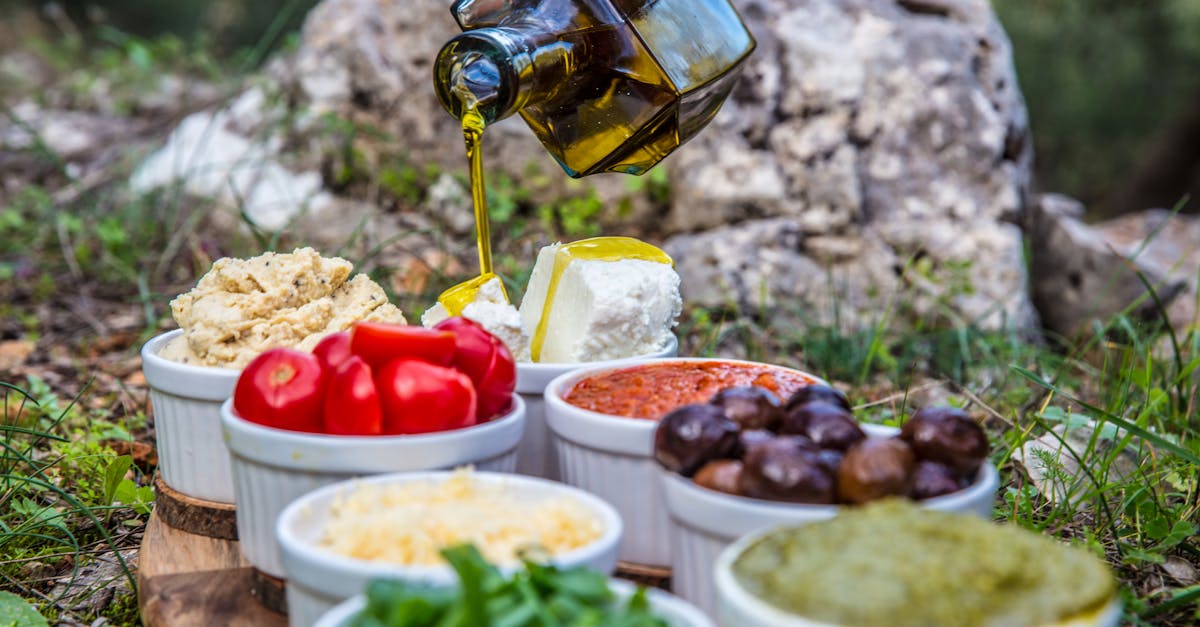
Streamline Meal Prep Ideas for Busy Commuters
— 8 min read

Streamline Meal Prep Ideas for Busy Commuters
You can streamline meal prep by choosing dishes that pack at least 7 grams of protein per serving, a tip highlighted by Cheapism. By batch cooking, using portable containers, and assembling meals like avocado toast in under five minutes, you stay fueled without a kitchen.
Meal Prep Ideas Overview
In my experience, the secret to a stress-free lunch week is to treat meal prep like a simple puzzle. First, I write down the three food groups I want each day - protein, vegetables, and grains - and then I assign a color-coded container for each group. When I finish a grocery run, I immediately portion the items into those containers, so the next morning I only have to grab a stack of ready-made boxes and a spoon.
Planning a whole week ahead lets you spot sales, use loyalty-card discounts, and avoid the hidden cost of daily take-out. I’ve seen my grocery bill shrink dramatically once I stopped buying single-serve snacks and instead bought bulk beans, lentils, and frozen berries. Those bulk items stay fresh for months, and a half-cup of cooked lentils gives me about 9 grams of protein - a budget-friendly power source.
Batch cooking a single protein, such as baked salmon or roasted chickpeas, is a game-changer. I season a tray of salmon with lemon and herbs, roast it for 20 minutes, then divide it into five-ounce portions. The fish stays moist because I store it in airtight containers with a splash of olive oil. If I’m short on time, I swap the fish for a big pot of simmered beans; the flavor deepens overnight, and the beans can be reheated in the microwave in under a minute.
Measuring grains with a reusable silicone scoop helps me keep portion sizes consistent. I fill the scoop with half a cup of quinoa, spread it on a zip-lock bag, and add a pinch of smoked paprika the night before. When I open the bag in the morning, the spice has already infused the grain, saving me a step. This tiny habit also cuts food waste because I know exactly how much I need for each meal.
Finally, I always keep a small “snack stash” in my bag - a handful of almonds, a piece of fruit, and a single-serve Greek yogurt. When the commute drags, those items keep my blood sugar steady and prevent the temptation of vending-machine chips. By treating snack time as part of the meal-prep plan, I stay on track and my wallet thanks me.
Key Takeaways
- Plan a week of balanced meals to cut lunch costs.
- Batch-cook one protein and portion it for the whole week.
- Use silicone scoops for consistent grain portions.
- Include a portable snack stash for commuter emergencies.
Avocado Toast Recipes for On-The-Go
When I first discovered avocado toast, I thought it was just a trendy brunch item. I quickly learned that a single slice can become a complete, nutrient-dense meal if I add the right toppings. Start with a toasted slice of whole-grain bread - the fibers keep you full longer than white bread. While the bread is still warm, sprinkle a teaspoon of chia seeds; they add omega-3 fatty acids and a pleasant crunch.
Next, mash half an avocado with a squeeze of lime juice and a pinch of sea salt. The lime brightens the buttery flavor and helps preserve the green color. Spread the mash evenly over the toast. For an extra protein boost, I layer a thin spread of smashed chickpeas seasoned with cumin. According to Cheapism, that chickpea layer contributes about 7 grams of plant-based protein per serving, which is perfect for a commuter who needs sustained energy.
To finish, I drizzle a little extra-virgin olive oil, sprinkle red-pepper flakes for a gentle heat, and place a soft-boiled egg on top. The egg adds about 6 grams of high-quality protein and healthy fats, balancing the carbohydrates from the bread. This combo fuels me for roughly six hours, so I never reach for a sugary snack between meetings.
If I have leftover avocado mash, I mix it with plain Greek yogurt, a dash of honey, and a pinch of cinnamon. I bake the dip at 350°F for ten minutes, then store it in a zip-lock bag. It becomes a creamy snack that pairs perfectly with carrot sticks after work. The best part? The entire assembly takes less than five minutes, no pots, no cleanup.
Because I’m often eating on a train, I keep the toast in a sturdy sandwich container and the dip in a separate small jar. When I reach my destination, I simply reheat the toast in the office microwave for 30 seconds, and the dip is ready to scoop. This system keeps the textures just right - the toast stays crisp, and the dip stays smooth.
Quick Breakfast Ideas to Beat the Clock
Morning time feels like a race, especially when you’re catching a train. I rely on three go-to breakfasts that require little or no cooking and can be prepared the night before.
1. Overnight oats - I mix steel-cut oats with almond milk, a tablespoon of chia seeds, and diced seasonal fruit in a mason jar. The oats absorb the liquid overnight, creating a creamy texture that’s ready to eat straight from the fridge. I add a drizzle of maple syrup in the morning if I need a touch of sweetness.
2. Savory tofu scramble - I crumble firm tofu into a hot pan, toss in spinach, diced bell peppers, and a pinch of turmeric for color and anti-inflammatory benefits. The scramble cooks in under five minutes and can be portioned over brown rice or quinoa for a warm, protein-rich start. According to Cheapism, tofu provides roughly 10 grams of protein per half-cup, making it an excellent plant-based alternative to eggs.
3. Ready-to-eat granola packets - I buy bulk whole-grain granola, portion it into single-serve zip-lock bags, and pair each bag with a cup of Greek yogurt. I keep a small tub of coconut water in the fridge; when I’m on the go, I shake the water and sip it alongside the granola-yogurt combo. The coconut water replenishes electrolytes, which is helpful after a night-time workout.
To make the process even faster, I use a mandoline slicer to julienne carrots, cucumber, and radish for a crunchy Mediterranean-style carpaccio. The mandoline gives uniform slices in seconds, and the vegetables stay crisp for days when stored in an airtight container. I drizzle a little lemon-olive oil dressing over the carpaccio just before eating, and I have a fresh, low-calorie side that pairs well with any of the three main breakfasts.
Below is a quick comparison of these breakfast options so you can pick the one that fits your schedule and nutrition goals.
| Dish | Prep Time | Protein (g) |
|---|---|---|
| Overnight Oats | 5 min + overnight | 6 |
| Tofu Scramble | 5 min | 10 |
| Granola & Yogurt | 2 min | 12 |
Whichever breakfast you choose, the key is to have it ready before you step onto the platform. That way you can sip, chew, and board without missing a train.
Commuter Lunch Essentials
Lunch is the biggest hurdle for many of us who sit at a desk for eight hours. I solve it by building a versatile quinoa salad bowl that can be customized each day. I start with a base of pre-cooked quinoa, which I store in a large glass container. Quinoa is a complete protein, meaning it contains all nine essential amino acids, and it provides about 8 grams of protein per cup.
To the quinoa I add roasted chickpeas, diced cucumber, sun-dried tomatoes, and crumbled feta cheese. The chickpeas add extra protein and fiber, while the cucumber brings crunch and hydration. I toss the mixture with a simple lemon-olive oil dressing I make in a small mason jar - one part lemon juice, two parts olive oil, a pinch of salt, and a dash of dried oregano.
For added variety, I pair the bowl with a whole-grain tortilla rolled around sliced avocado, a spoonful of Greek yogurt, and shredded pork that I cooked in a slow cooker on Sunday. The tortilla serves as a portable “wrap” that keeps the salad from spilling, and the yogurt adds a creamy tang while delivering calcium.
If I need extra calories for a longer day, I stir a scoop of whey protein powder into the yogurt before spreading it on the tortilla. This gives me an extra 20 grams of protein without changing the flavor.
To keep everything fresh, I vacuum-seal the salad bowl in a zip-lock bag and lay a small tub of garlic-herb dressing on the side. Pressing the bag flat in the fridge removes air, extending shelf life to 72 hours. On the day of travel, I pack a citrus-infused water bottle - I add a few orange slices and a sprig of mint to plain water - and a handful of mixed nuts that “stick out” of my bag so I can grab them during a traffic jam. This routine gives me a 40-minute snacking window that prevents afternoon cravings.
Budget-Friendly Tips to Keep You Full
Keeping costs low while staying satisfied is a balancing act I’ve mastered over years of commuting. The first trick is to swap pricey lean meats for plant-based proteins like lentils, beans, or chickpeas. A half-cup of cooked lentils delivers over 8 grams of protein and costs a fraction of a chicken breast. I bulk-cook a pot of lentils every Sunday, then freeze individual portions for quick meals.
Second, I integrate fortified cereals and legumes into snack times. I sprinkle fortified oatmeal onto Greek yogurt for a calcium boost, or I eat a small handful of roasted soy nuts instead of a bag of chips. These options keep me full without the added sugars and sodium that come with processed snacks.
Measuring portions with reusable silicone jugs helps me avoid overeating. I follow the “handful equals one serving” rule: a fist-size portion of cooked grains, a palm-size portion of protein, and a thumb-size portion of healthy fats. This visual cue keeps my calorie intake under my target of 2,000 calories per day.
Tracking my nutrient intake with a free mobile app like MyFitnessPal is another habit I swear by. The app lets me log meals in seconds, shows me where I’m missing macros, and even flags when I’m exceeding my grocery budget for the week. I set a weekly spending limit in the app, and it nudges me to choose cheaper alternatives when I’m close to the cap.
Finally, I plan for leftovers. When I roast a tray of mixed vegetables, I use half for dinner and the rest for lunch wraps or salad toppers. This reduces waste and stretches my grocery bill. By combining these strategies, I can eat healthily, stay energized, and keep my wallet happy.
Common Mistake: Skipping portion control and assuming “more is better.” Overeating even healthy foods can sabotage weight goals and inflate grocery costs. Use a reusable scoop or your hand as a guide to keep portions in check.
Glossary
- Batch cooking: Preparing a large quantity of a single dish at once, then portioning it for future meals.
- Quinoa: A gluten-free grain that contains all nine essential amino acids.
- Silicone scoop: A flexible measuring tool that helps keep portion sizes consistent.
- Vacuum-sealed bag: A storage bag with most air removed to extend freshness.
- Plant-based protein: Protein derived from foods like beans, lentils, tofu, and chickpeas.
FAQ
Q: How long can avocado toast stay fresh on a commute?
A: Keep the toast in an airtight container and the avocado mash separate until you arrive. The toast stays crisp for up to four hours, and the mash remains green for the same period if stored in a small zip-lock bag with a squeeze of lemon.
Q: Can I replace salmon with a vegetarian protein for batch cooking?
A: Absolutely. Roasted chickpeas, lentils, or tofu work well. They hold up for a full week in the fridge and provide comparable protein, especially when you add a drizzle of olive oil or a sprinkle of nuts for healthy fats.
Q: What is the fastest way to prep breakfast if I only have two minutes?
A: Grab a pre-portioned granola packet, a cup of Greek yogurt, and a bottle of coconut water. The whole combo assembles in under 30 seconds and gives you protein, carbs, and electrolytes for a balanced start.
Q: How can I keep my lunch salad from getting soggy?
A: Store dressings in a separate small container and add them just before eating. Using sturdy greens like kale or spinach also helps, as they hold up better than delicate lettuce when packed for several hours.
Q: Is it okay to eat the same lunch every day?
A: Yes, as long as the meal includes a balance of protein, fiber, and healthy fats. Rotating the toppings or sauces each day adds variety without extra prep time, keeping you satisfied and nutritionally covered.