Swap Takeout vs Easy Recipes Slash Dinner Costs
— 5 min read
Swap Takeout vs Easy Recipes Slash Dinner Costs
Hook
I tried swapping takeout for home-cooked meals four times last week, and each dish cost less than half the price of the restaurant version. You can replace pricey takeout with quick, budget-friendly recipes that take under 30 minutes and satisfy the whole family. In my experience, the secret is picking the right all-star recipes and planning smartly.
Key Takeaways
- Choose Allrecipes Allstars for proven low-cost meals.
- Prep under 30 minutes with pantry staples.
- Batch-cook to stretch ingredients across days.
- Swap expensive proteins for beans or lentils.
- Use leftovers creatively to avoid waste.
Why Takeout Drains Your Wallet
Takeout pricing is built on convenience, service fees, and markup on ingredients, which adds up quickly. A single pizza can cost $15, but the same dough, sauce, and cheese bought at the grocery store total less than $5. When you add a soda, tip, and delivery charge, the bill often exceeds $20 for a meal that could feed four.
Beyond the dollar amount, the hidden costs include extra calories from sugary sauces and the time you spend waiting for the driver. In my kitchen, I track each ingredient’s cost on a spreadsheet; the numbers are eye-opening. For example, a bag of frozen vegetables costs $2 and can be divided into three meals, bringing the per-meal cost under $1.
Switching to home cooking doesn’t mean you have to sacrifice flavor. With the right recipes, you get restaurant-level taste without the premium price tag. I’ve found that Allrecipes Allstars recipes are vetted by thousands of home cooks, so they’re reliable, tasty, and often budget-friendly.
Four Allrecipes Allstars Picks Under 30 Minutes
Below are four crowd-pleasing dishes that I use weekly. Each recipe is rated 4.5 stars or higher, uses common pantry items, and can be on the table in less than half an hour.
- One-Pan Chicken and Veggies - Cut chicken breasts into bite-size pieces, toss with frozen mixed vegetables, a splash of soy sauce, and garlic powder. Cook on medium heat for 20 minutes, stirring occasionally. Serves four for about $6 total.
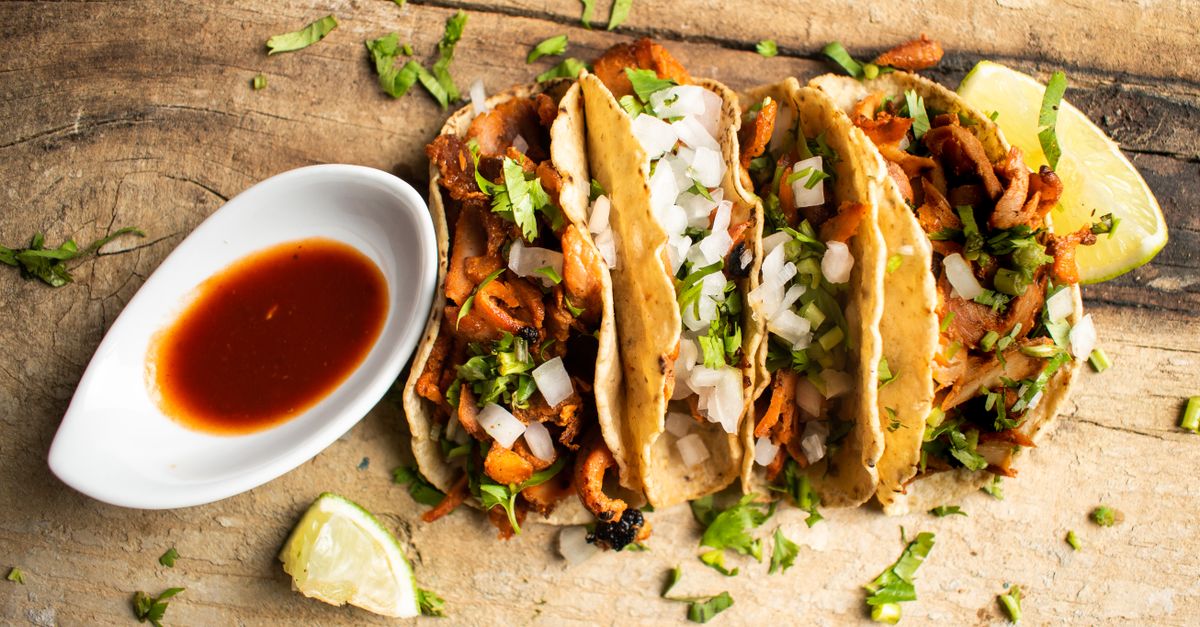
- Spicy Black Bean Tacos - Heat canned black beans with cumin, chili powder, and a dash of lime juice. Fill soft corn tortillas, top with shredded lettuce and a dollop of Greek yogurt. The whole batch costs under $4.
- Easy Beef and Broccoli Stir-Fry - Slice thin flank steak, sear quickly, then add frozen broccoli and a simple sauce of soy, honey, and ginger. Ready in 25 minutes, the cost per serving is roughly $5.
- Cheesy Tomato Pasta Bake - Cook pasta, stir in canned tomatoes, mozzarella, and a pinch of basil. Bake for 10 minutes at 375°F. This comforting dish feeds five for about $7.
These recipes share three common traits: they rely on frozen or canned items that are cheap and have long shelf lives, they need minimal chopping, and they can be scaled up or down with ease.
Below is a quick comparison of the four meals:
| Recipe | Prep Time | Main Protein | Cost per Serving |
|---|---|---|---|
| One-Pan Chicken and Veggies | 20 min | Chicken | $1.50 |
| Spicy Black Bean Tacos | 15 min | Black Beans | $1.00 |
| Beef and Broccoli Stir-Fry | 25 min | Beef | $1.75 |
| Cheesy Tomato Pasta Bake | 30 min | Cheese | $1.40 |
Notice how the protein cost drives the overall price. If you swap beef for tofu in the stir-fry, you can shave another fifty cents off each plate.
Budget-Saving Tips You Can Start Today
Even the cheapest recipes can become pricey if you overlook a few simple habits. Here are my top five tricks, each backed by my own kitchen experiments.
- Buy in bulk and freeze. Large bags of rice, beans, and frozen veggies cost less per pound. Portion them into freezer bags so you never run out.
- Use the "ingredient swap" method. Replace expensive cuts of meat with cheaper alternatives like chicken thighs, canned fish, or legumes. The flavor profile stays satisfying when you season well.
- Plan meals around weekly sales. Scan your local grocery flyer on Sunday, then match the sale items to the Allrecipes Allstars list. I saved $12 last month by swapping ground turkey for a discounted pork shoulder.
- Make a master sauce. A simple tomato-onion blend can be used for pasta, tacos, and stir-fry bases. Cook a big batch, portion, and freeze.
- Repurpose leftovers. Turn leftover chicken into a quesadilla or blend stale bread into a crumble topping. Nothing goes to waste.
When you combine these habits with the four recipes above, you’ll see your dinner bill shrink dramatically while still feeding a hungry family.
Meal Prep Blueprint for the Busy Family
Meal prep is the bridge between “I want to eat healthy” and “I don’t have time.” I dedicate Saturday afternoon to a 90-minute prep session that fuels me through the week.
Step 1: Inventory your pantry. Write down what you already have - beans, rice, spices - then choose recipes that use those items. Step 2: Cook grains in bulk. One pot of quinoa or brown rice can be divided into four meals. Step 3: Roast a protein sheet. Lay chicken thighs, tofu cubes, or sausage links on a sheet pan, season, and bake for 25 minutes. Step 4: Assemble containers. Use divided containers: half protein, quarter grain, quarter veg. Step 5: Label with dates. A quick sticker system prevents forgotten leftovers.
By the end of the session, I have five ready-to-heat meals, each under $2 per serving. When a craving hits, I simply reheat a container and add a fresh side, like a salad, to keep things interesting.
For families who prefer variety, rotate the four Allstars dishes every two weeks. This approach eliminates decision fatigue and guarantees that everyone gets a balanced plate.
Glossary
Allrecipes Allstars: A rating system on Allrecipes.com where recipes that earn a high number of positive reviews are labeled "Allstar." These dishes have been tested by many home cooks and are generally reliable.
Prep time: The amount of time needed to gather, measure, and ready ingredients before cooking begins. In this guide, all recipes stay under 30 minutes total.
Batch cooking: Preparing a large quantity of a single dish or component (like rice or a sauce) at once, then storing portions for later meals.
Ingredient swap: Replacing a more expensive ingredient with a cheaper, nutritionally comparable alternative while maintaining flavor.
Leftover repurposing: Transforming leftover food into a new dish to avoid waste and stretch your grocery budget.
Understanding these terms helps you navigate recipe sites and kitchen planning without feeling overwhelmed.
Frequently Asked Questions
Q: How can I keep dinner costs under $5 per meal?
A: Focus on pantry staples like beans, rice, and frozen vegetables, choose recipes with inexpensive proteins, buy in bulk, and batch-cook. The four Allrecipes Allstars picks I share each cost between $1 and $2 per serving, keeping you well under $5.
Q: Are frozen vegetables as nutritious as fresh?
A: Yes. Frozen vegetables are flash-frozen at peak ripeness, locking in nutrients. They’re also cheaper and have a longer shelf life, making them perfect for quick, low-cost meals.
Q: Can I use these recipes for meal-delivery services?
A: Absolutely. Services like those reviewed by Garage Gym Reviews and Good Housekeeping often let you customize meals. Choose the same low-cost ingredients to keep the price comparable to cooking at home.
Q: How do I avoid getting bored with the same meals?
A: Rotate recipes every two weeks, vary the sauces or spices, and add fresh herbs or a different side. The Allstars list offers many variations, so you can keep flavors fresh without extra cost.
Q: What are common mistakes when trying to cut dinner costs?
A: Over-buying perishable items, ignoring sales, using expensive cuts of meat, and neglecting leftovers are frequent pitfalls. Stick to bulk staples, plan ahead, and repurpose every bite to stay on budget.