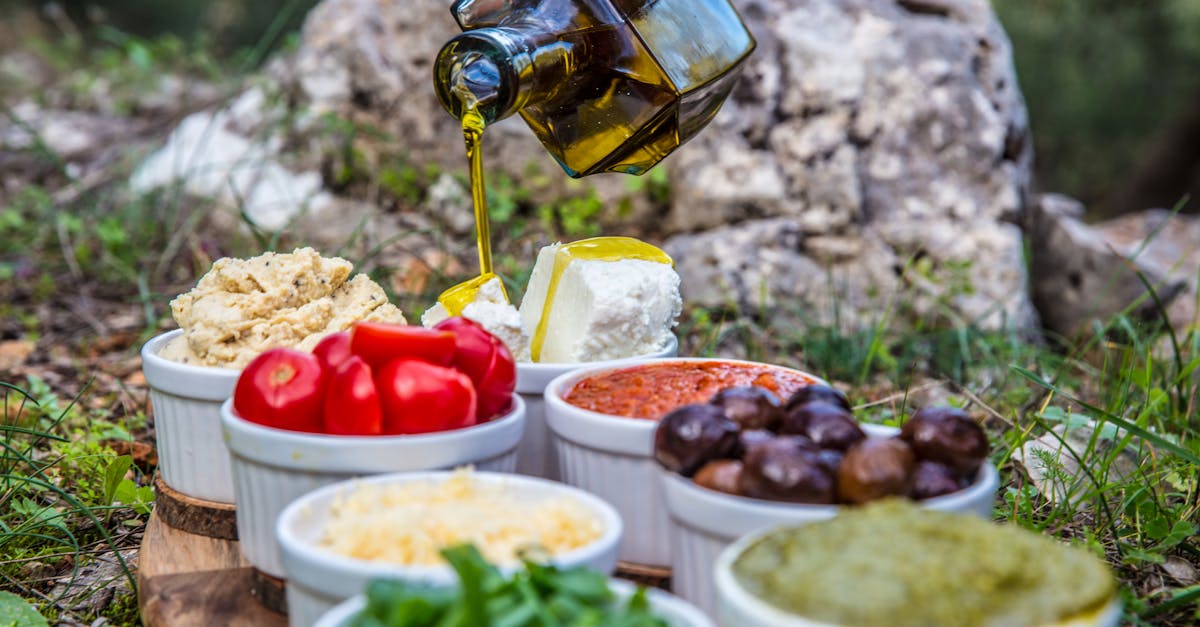
Power‑Packed Vegan Salads: 10 High‑Protein Recipes for Athletes & Meal‑Prep Pros
— 7 min read

Picture this: you finish a grueling leg day, sweat still glistening, and instead of wrestling with a greasy meat platter you grab a vibrant salad that delivers the same muscle-building punch. In 2024, more elite athletes are swapping steak for plant-based bowls because they’re light, fast to assemble, and surprisingly protein-dense. Ready to turn your greens into a performance-fueling powerhouse? Let’s dive in - well, without the dive.
Why Plant-Based Salads Can Power Your Performance
A well-crafted vegan high protein salad can give you the same muscle-building protein as a steak without the heaviness of a cooked meat dish. Plant proteins such as beans, quinoa, and tofu are rich in essential amino acids, the building blocks your muscles need after a hard workout. For example, a 2023 study in the Journal of Sports Nutrition showed that athletes who ate plant-based meals hit their protein targets just as reliably as those who ate animal-based meals, provided they combine sources correctly.
Salads also keep you hydrated, supply antioxidants, and are quick to assemble - ideal for a busy training schedule. By swapping heavy carbs for crisp greens and protein-dense toppings, you stay light on your feet and ready for the next set.
Key Takeaways
- Plant proteins can match animal protein when combined wisely.
- Salads deliver hydration, micronutrients, and quick digestion.
- Target 30 g of protein per bowl for optimal post-workout recovery.
Think of a salad as a sports car: the chassis (greens) is lightweight, the engine (protein sources) packs power, and the fuel additives (healthy fats, antioxidants) keep everything running smoothly.
Plant Protein 101: What It Is and Why It Works
Plant protein is the protein you get from non-animal sources: beans, lentils, grains, nuts, seeds, and soy products. Each source contains a different mix of the nine essential amino acids - those your body cannot make on its own. When you pair complementary foods (like rice with beans), you create a complete protein profile, much like putting together puzzle pieces until the picture is whole.
Why does this matter for athletes? Muscle repair needs a steady supply of all essential amino acids. Research from the American College of Sports Medicine confirms that a diet with a variety of plant proteins can meet the recommended 1.2-2.0 g protein per kg body weight for active adults. Think of it as building a LEGO tower: each block (protein source) adds strength, but you need the right colors (amino acids) to finish the design.
In 2024, nutritionists are emphasizing the concept of “protein complementarity” more than ever. Instead of obsessing over a single “perfect” food, they encourage a colorful plate that mixes legumes, grains, and nuts throughout the day. This strategy not only covers the amino acid bases but also boosts fiber, vitamins, and minerals - ingredients that help you recover faster and stay injury-free.
So, the next time you reach for a handful of almonds, remember you’re adding a tiny brick to a much larger, stronger structure.
Crunch the Numbers: Hitting 30 g of Protein in a Single Salad
Reaching the magic 30-gram mark is easier than you think once you know the protein payoff of each ingredient. Here’s a quick cheat-sheet:
- 1 cup cooked quinoa - 8 g protein
- ½ cup cooked lentils - 9 g protein
- ¼ cup roasted chickpeas - 6 g protein
- 3 oz baked tofu - 12 g protein
- ¼ cup hemp hearts - 10 g protein
- ½ cup edamame - 9 g protein
Combine any three of the above and you’re already past 30 g. For a balanced bowl, add a leafy base (spinach, kale, or mixed greens) for volume, a healthy fat (avocado or olive oil) for flavor, and a zingy dressing for taste.
"Plant-based athletes can meet protein needs with 0.8-1.0 g per kg body weight," says a 2022 systematic review.
Quick math tip: think of each protein source as a “point” on a scoreboard. When you hit 30 points, you’ve earned the win. This mental model makes it simple to adjust portions on the fly, especially when you’re prepping meals for the week.
Want a visual? Picture a ruler where each inch represents 5 g of protein. Stack three inches of different foods and you’ve built a 30-gram tower.
Salad #1 - Chickpea-Spinach Power Bowl
This bowl mixes roasted chickpeas (6 g), quinoa (8 g), and fresh spinach (1 g) for a base of 15 g. Add 3 oz baked tofu (12 g) and a tablespoon of tahini (2 g) and you’ve topped 30 g in under 10 minutes. The lemon-tahini drizzle adds vitamin C, which helps iron absorption from the spinach.
Tip: Roast chickpeas at 400°F for 20 minutes with a pinch of smoked paprika for extra crunch.
Why it works: Chickpeas bring a crunchy texture, quinoa adds a fluffy bite, and tofu supplies a silky protein cushion. The tahini provides healthy fats that slow digestion, giving your muscles a steady amino-acid stream for 2-3 hours post-workout.
Serving suggestion: Pair with a side of sliced orange for extra vitamin C, turning the bowl into a mini-citrus fiesta.
Salad #2 - Lentil-Avocado Athletic Mix
Green lentils bring 9 g of protein per half-cup, while avocado contributes healthy monounsaturated fats and 2 g protein. Sprinkle pumpkin seeds (5 g) and toss in cherry tomatoes for antioxidants. A splash of lime juice brightens the dish and adds a dose of vitamin C.
Quick prep: Cook lentils in bulk; they store well for up to five days in the fridge.
What makes it a winner? Lentils are a slow-release carb, perfect for refueling glycogen stores after a long run. Avocado’s creamy fat keeps you satiated, while pumpkin seeds add a satisfying crunch and a boost of magnesium, which supports muscle relaxation.
Pro tip: Add a pinch of nutritional yeast for a cheesy flavor and an extra 2 g of protein.
Salad #3 - Edamame-Miso Crunch
Edamame (½ cup) offers 9 g protein, brown rice adds 5 g, and a miso-ginger dressing supplies 2 g from fermented soy. Throw in shredded carrots for beta-carotene and you’ve got a post-workout bowl that refuels glycogen and muscle fibers.
Pro tip: Use low-sodium miso to keep sodium levels athlete-friendly.
Why you’ll love it: The ginger in the dressing gives a gentle heat that can improve circulation, while the miso supplies probiotics that aid gut health - crucial for nutrient absorption.
Optional upgrade: Top with a sprinkle of toasted sesame seeds for an extra 3 g of protein and a nutty aroma.
Salad #4 - Tofu-Buffalo Kale Blast
Crispy baked tofu (3 oz) supplies 12 g protein, kale adds 2 g, and hemp hearts (¼ cup) give another 10 g. Roasted sweet potato cubes bring complex carbs for sustained energy. Toss everything in buffalo sauce for a spicy kick that also stimulates endorphin release.
Make-ahead: Bake tofu and sweet potatoes on a sheet pan; they reheat perfectly.
Flavor science: The capsaicin in buffalo sauce triggers a mild adrenaline surge, making you feel more pumped after you eat. Kale’s vitamin K supports bone health, which matters when you’re lifting heavy.
Serving hack: Add a dollop of cashew “ranch” to mellow the heat without sacrificing protein.
Salad #5 - Black Bean-Corn Fiesta
Black beans (½ cup) provide 7 g protein, quinoa (1 cup) adds 8 g, and corn contributes 2 g. Top with cilantro, lime juice, and a drizzle of olive oil for flavor and healthy fats. The combination yields a colorful, protein-rich fiesta in under 15 minutes.
Storage tip: Keep the dressing separate to maintain crunch.
What’s happening on the plate? Black beans deliver fiber that steadies blood sugar, while corn offers quick carbs to replenish depleted glycogen. The lime-cilantro combo adds a fresh zing that makes the bowl feel like a celebration.
Extra protein boost: Stir in a quarter cup of crumbled feta-style tofu for an additional 3 g.
Salad #6 - Tempeh-Asian Noodle Toss
Marinated tempeh (3 oz) offers 15 g protein, soba noodles (½ cup) add 5 g, and snap peas contribute 2 g. A soy-sesame glaze brings flavor without excess sugar. This bowl balances protein with moderate carbs, perfect for a midday refuel.
Batch tip: Cook soba noodles in bulk and rinse in cold water to stop cooking.
Why tempeh shines: Fermentation breaks down antinutrients, making the protein more bioavailable. The nutty flavor of soba (buckwheat) pairs naturally with sesame, creating a harmonious palate.
Quick add-on: Toss in shredded napa cabbage for crunch and an extra 1 g of protein.
Salad #7 - Pea-Protein Pesto Pasta Salad
Green peas (½ cup) deliver 9 g protein, whole-wheat rotini (½ cup) adds 7 g, and pine nuts (2 tbsp) contribute 4 g. Toss with basil pesto for a herbaceous punch. This salad keeps carbs in check while still hitting the 30-gram target.
Quick hack: Use store-bought pesto that lists olive oil as the first ingredient for heart-healthy fats.
Pea power: Peas are a plant-based source of the amino acid leucine, which plays a key role in muscle protein synthesis. Pairing them with whole-grain pasta supplies steady energy for a long training session.
Optional twist: Add a sprinkle of nutritional yeast for a cheesy flavor boost and 2 g more protein.
Salad #8 - Seitan-Mediterranean Mix
Sliced seitan (3 oz) provides a whopping 21 g protein. Combine with cucumber, olives, and feta-style tofu (2 g) for texture and flavor. A red-wine vinaigrette ties it together, delivering a Mediterranean twist that feels indulgent yet light.
Note: Seitan is wheat-based, so ensure you’re not gluten-sensitive before serving.
Flavor profile: The briny olives and tangy vinaigrette mimic classic Greek salads, while seitan’s chewy bite satisfies cravings for meat-like texture.
Protein tip: If you’re looking for even more protein, add a spoonful of hummus - another 2 g per tablespoon.
Salad #9 - Hemp-Berry Antioxidant Bowl
Hemp seeds (¼ cup) pack 10 g protein, mixed berries add antioxidants, and soy-style cottage cheese offers 12 g protein. Arugula contributes a peppery bite and 1 g protein. This sweet-savory combo is perfect for recovery after endurance sessions.
Prep tip: Mix berries with a squeeze of lemon to prevent browning.
Recovery science: Berries supply polyphenols that reduce inflammation, while hemp’s omega-3 fatty acids support joint health. The cottage-cheese-style soy adds a creamy texture without dairy.
Serve chilled: A cold bowl feels refreshing after a hot run, and the chill can help lower core temperature.
Salad #10 - Quinoa-Almond Crunch Salad
Fluffy quinoa (1 cup) gives 8 g protein, toasted almonds (¼ cup) add 6 g, and roasted beets provide natural sweetness plus 2 g protein. A citrus-maple dressing brings brightness and a hint of carbs for glycogen replenishment.
Make-ahead: Roast beets with a drizzle of olive oil; they keep well for up to four days.
Why the combo works: Quinoa’s complete amino acid profile pairs with almonds’ healthy monounsaturated fats, while beets deliver nitrates that may improve blood flow during recovery.
Serving idea: Top with a few mint leaves for a fresh finish that also aids digestion.
Meal-Prep Mastery: Building a Week’s Worth of Protein Salads in One Session
Start by cooking your protein pillars in bulk: quinoa, lentils, and brown rice each double as base carbs and protein. Roast a tray of chickpeas, tofu, and sweet potatoes with minimal oil; they stay crisp when stored in airtight containers. Portion greens into separate bags to stay crisp, and keep dressings in small jars to avoid soggy salads.
When it’s time to eat, simply combine a protein scoop, a handful of veggies, and a drizzle of dressing. This system cuts prep time to under 30 minutes for the whole week and guarantees